
happycxz.com Card Games Guide: Blackjack and Poker
happycxz.com card games cover the formats people know best: blackjack with its strategy charts, poker with its betting rounds and baccarat with its simple fixed rules. Each one has a different mix of skill and luck, a different cost and a different rhythm. Learning the basics before you sit down helps you pick a table that suits your temperament and keeps every session within a budget you chose in advance, calmly and clearly.
happycxz.com Card Games Overview
House-Banked Formats
Blackjack, baccarat and three card poker are played against the casino. The edge sits in the payout rules, so the cost is stable and can be compared across tables. A change as small as a 6 to 5 blackjack payout can add more than a full percentage point to the edge. Reading the rules is the cheapest improvement any player can make.
Player-Versus-Player Poker
In poker you play against other participants, and the platform takes a rake or entry fee. Results depend on how your decisions compare with those at the table, so poker rewards study and patience more than any other card game. It also has the steepest learning curve, so start at the lowest stakes and treat early sessions as practice.
Which Style Fits You
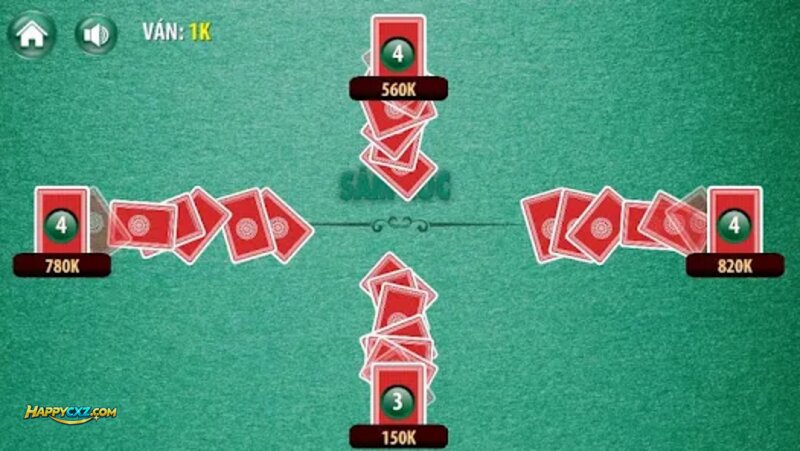
Baccarat suits players who want calm and simplicity. Blackjack suits those who like applying a fixed plan. Poker suits people who enjoy reading situations and improving over time. A happycxz.com card lobby lets you sample each at small stakes, and the best choice is the one you can enjoy without stress.
| Game | Skill impact | Typical cost | Pace |
|---|---|---|---|
| Blackjack | High | 0.5% to 1% with strategy | Medium |
| Baccarat | Very low | About 1.1% on banker | Fast |
| Poker | Very high | Rake plus opponent skill | Slow |
| Three Card Poker | Moderate | 2% to 3% | Fast |
Blackjack Rules and Strategy
Round Flow
You place a bet, receive two cards and see one dealer card. You may hit, stand, double or split pairs, after which the dealer plays by fixed rules. Cards from two to ten count face value, face cards count ten and aces count one or eleven. A natural blackjack usually pays 3 to 2, and ties push.
Basic Strategy Highlights
Basic strategy is a chart of the best action for each hand against each dealer card. Split aces and eights, never split tens, double on eleven against most dealer cards and stand on hard seventeen or higher. Decline insurance. Following the chart brings the edge down to around half a percent.
Picking Good Tables
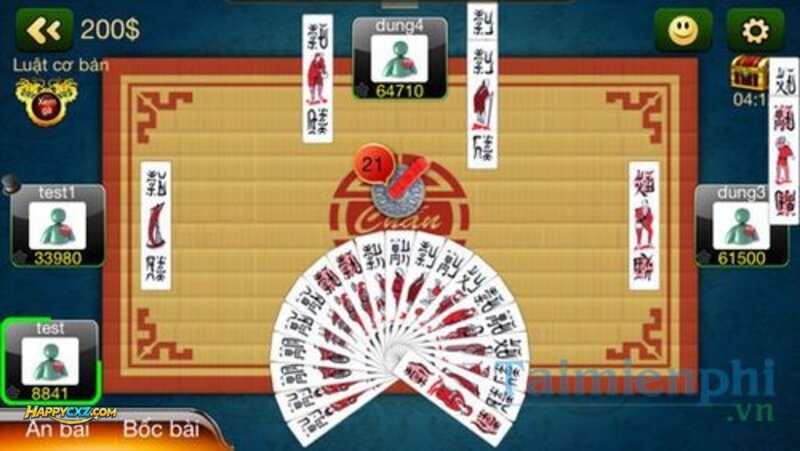
Avoid tables that pay 6 to 5, restrict doubling or give the dealer extra advantages. The rule banner tells you what you need. Moving to a better table costs nothing and improves your expected result immediately.
Baccarat and Poker Basics
Baccarat Bets
You back the player, banker or tie. Cards follow fixed rules, so no decisions follow your bet. Banker wins slightly more often and carries a 5% commission, and the tie pays more but wins rarely. Scoreboards show past outcomes but cannot predict the next round, so enjoy them without relying on them.
Poker Hand Rankings
From weakest to strongest: high card, pair, two pair, three of a kind, straight, flush, full house, four of a kind, straight flush and royal flush. Memorize this before you play, because misreading a showdown is an expensive mistake. Free-play tables are ideal for practice.
Position and Patience
Acting later gives you more information about opponents. Play fewer hands from early positions and fold weak holdings. Most beginners lose by entering too many pots, not by failing to bluff.
Habits for Healthy Play
Limits First
Write down your deposit limit, time limit and stop-loss before the first hand. Card games produce many decisions per hour, so check in with yourself every thirty minutes. A written plan is easier to follow than one kept in your head.
Managing Tilt

Tilt is emotional play after a loss or bad beat. Signs include larger bets, faster decisions and irritation. When you notice them, stand up and take a break. The table will still be there when you are calm.
Poker Bankroll
Poker results swing widely. Keep at least twenty buy-ins for cash stakes or fifty tournament entries. A proper bankroll prevents forced decisions after a bad run and keeps you from moving up stakes too soon.
Formats, Practice and Manners
Tournaments vs Cash Games
A tournament has a fixed buy-in, so your maximum loss is known, and prizes go to top finishers. Cash games let you leave whenever you like but offer no natural ending. Tournaments suit cautious players, while cash games suit flexible schedules.
Software vs Live Tables
Software tables deal instantly and allow many hands per hour, which raises total cost. Live tables stream real cards and move slower with higher minimums. Watch a few hands before joining.
Etiquette and Review
Act in turn, keep chat respectful and avoid revealing cards early. After sessions, review key hands and judge decisions by the information you had, not by results. That habit separates skill from luck and speeds up learning.
Quick Answers
Can I Count Cards Online?
No. Online games shuffle frequently, and platforms usually forbid counting.
Which Game Should Beginners Try First?
Blackjack, because a fixed strategy chart exists. Baccarat is quickest to learn.
How Long Should a Session Last?
Forty-five to sixty minutes, then take a break and check your spending.
Choosing Stakes and Reviewing Results
Start Low and Move Up Slowly
New players are often drawn to higher limits because they look exciting. Begin at the lowest limit, learn the pace and move up only when your bankroll can absorb more variance. With 100 and a minimum bet of 5, you have only twenty hands, which is too few for comfort. Lower minimums give you time to learn without pressure.
A Simple Review Habit
After each session, note the time, stakes and result, then look at your biggest decisions. Judge them by the information you had, not by how they turned out. A happycxz.com card routine improves fastest when feedback is written down and read back honestly a week later.
Final Thoughts on Card Games
happycxz.com card games reward knowledge and discipline, but none removes the cost of playing. Learn the rules, use basic strategy, skip side bets and respect your limits. Treat every session as paid leisure, together with happycxz.com.
If playing becomes stressful or hard to stop, take a break and talk to a support organization in your country. Cooling-off tools and self-exclusion are there to help you keep control.